A Nigerian Theologian Calls African Church To Reform Communion With Rome
byNnaemeka Ali, O.M.I
-August 16, 2024
Reforming Communion Within The Church-Family Of God Is Not Merely An Administrative Task; It Is A Profound Spiritual Journey That Requires African Bishops And Papal Representatives To Work In Partnership, Ensuring The Church In Africa Remains A True Missionary And Synodal Community.
Reforming Communion: The Role of Papal Representatives
In The Heart Of The Ongoing Synodal Conversation Led By The Pan-African Catholic Theology And Pastoral Network, The Relationship Between Papal Representatives And The African Church Takes Center Stage. The Dialogue, Ignited By A Presentation From Nigerian Theologian Fr. Idara Otu, MSP, Delves Into The Intricate Dynamics Of A Missionary And Synodal Church. As Africa’s Bishops Grapple With The Challenges And Opportunities Presented By These Relationships, The Question Looms Large: Can African Bishops And Papal Representatives Reform Communion Within The Church-Family Of God?
The Role Of Papal Representatives: Bridging The Local And Universal
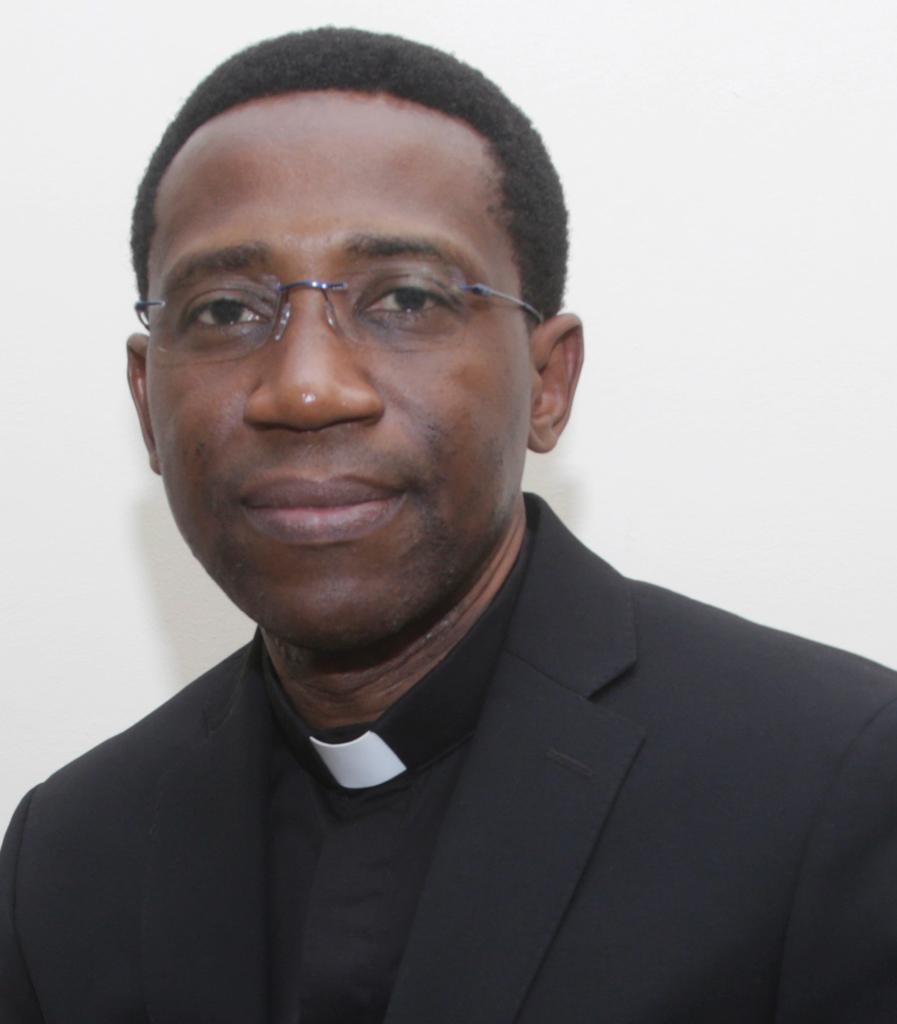
Fr. Otu, A Member Of The Missionary Society Of Saint Paul And A Respected Professor Of Theology At The National Missionary Seminary Of St. Paul, Abuja, Set The Stage By Emphasizing The Fundamental Role Of Papal Representatives, Specifically Nuncios And The Roman Curia In The Life Of The Church In Africa. “Nuncios Are Not Mere Diplomats, But Pastors,” He Stressed, “Who Are Vital Links In The Relationship Between The Universal Church And Particular Churches.” This Perspective Is Deeply Rooted In The Broader Ecclesiology Of The Church-Family Of God In Africa, Where The Local Church’s Voice Is Paramount. The Conversation Underscored The Importance Of Ensuring That The Ministry Of Papal Representatives Is Attuned To The Historical And Cultural Contexts Of African Communities. “The Way The Apostolic Nuncios Carry Out Their Mission Should Reflect A Genuine Attention To The Local Churches,” Fr. Otu Remarked, Echoing The Thrust Of Chapter 13 In The Synthesis Report, Which Highlights “The Decisive Role Of The Episcopal Conferences” In Shaping This Relationship.
Transparency And Accountability: Safeguards For A Synodal Church
The Theme Of Transparency And Accountability, As Integral Aspects Of A Synodal Church, Resonated Throughout The Discussion. The Assembly Was Particularly Attentive To The Proposed Evaluation Of The Work Of Papal Representatives By The Local Churches. “Within The Framework Of A Synodal Church, Which Promotes Co-Responsibility, Such Evaluations Are Not Just Advisable—They Are Necessary Safeguards Against Potential Abuses,” Argued One Participant. This Call For Evaluation Is Aligned With The Principles Laid Out In Pope Francis’s Apostolic Constitution, Praedicate Evangelium. The Reform Of The Roman Curia, A Central Concern Since Vatican II, Is Seen As An Important Aspect Of The Catholic Church’s Synodal Journey. Fr. Otu Explained That Reform Is Not Just About Structural Changes In Rome. “It Demands Fostering Ecclesial Communion Characterized By Mutual Accountability, Co-Responsibility, And Subsidiarity Within The Universal Church And Particular Churches.”
Towards A Renewed Communion
As The Conversation Draws To A Close, It Is Clear That The Role Of Papal Representatives In Africa Is At A Critical Juncture. The Insights From African Theologians, Prelates, And Lay Leaders Reveal A Deep Yearning For A Renewed Communion That Honours The Local Church’s Voice While Maintaining Communion With The Universal Church. “Renewing This Relationship Is Not Just An Administrative Task,” Fr. Otu Concluded. “It Is A Spiritual Journey Towards Becoming A True Missionary And Synodal Church-Family Of God.” The Reform Of The Curia And The Role Of Papal Representatives Must Be Attuned To The Unique Realities Of The African Church. Only Through A Committed Partnership Can The African Church Continue To Thrive In Its Mission, Embodying The Unity And Diversity That Are The Hallmarks Of The Catholic Faith.
This website uses essential cookies to function and optional Google Analytics cookies to understand how visitors use it. You can accept or reject optional cookies or choose your preferences.
Contains information related to marketing campaigns of the user. These are shared with Google AdWords / Google Ads when the Google Ads and Google Analytics accounts are linked together.
90 days
__utma
ID used to identify users and sessions
2 years after last activity
__utmt
Used to monitor number of Google Analytics server requests
10 minutes
__utmb
Used to distinguish new sessions and visits. This cookie is set when the GA.js javascript library is loaded and there is no existing __utmb cookie. The cookie is updated every time data is sent to the Google Analytics server.
30 minutes after last activity
__utmc
Used only with old Urchin versions of Google Analytics and not with GA.js. Was used to distinguish between new sessions and visits at the end of a session.
End of session (browser)
__utmz
Contains information about the traffic source or campaign that directed user to the website. The cookie is set when the GA.js javascript is loaded and updated when data is sent to the Google Anaytics server
6 months after last activity
__utmv
Contains custom information set by the web developer via the _setCustomVar method in Google Analytics. This cookie is updated every time new data is sent to the Google Analytics server.
2 years after last activity
__utmx
Used to determine whether a user is included in an A / B or Multivariate test.
18 months
_ga
ID used to identify users
2 years
_gali
Used by Google Analytics to determine which links on a page are being clicked
30 seconds
_ga_
ID used to identify users
2 years
_gid
ID used to identify users for 24 hours after last activity
24 hours
_gat
Used to monitor number of Google Analytics server requests when using Google Tag Manager

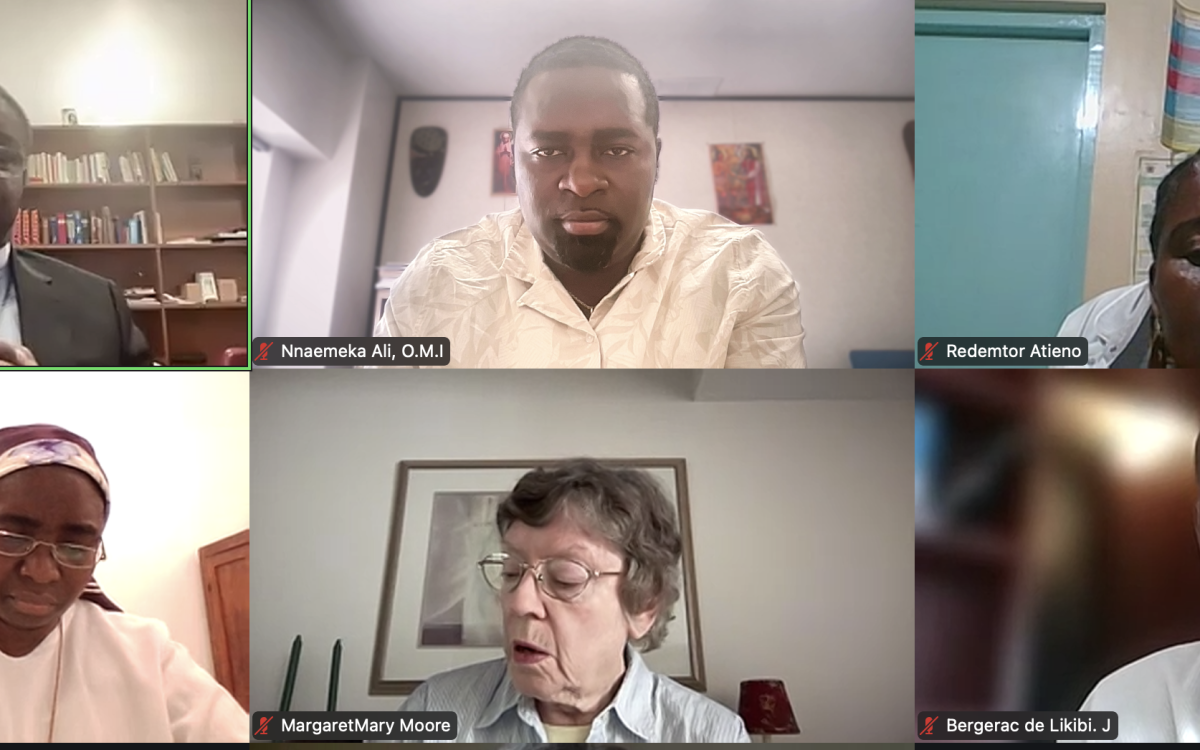

 The Theme Of Transparency And Accountability, As Integral Aspects Of A Synodal Church, Resonated Throughout The Discussion. The Assembly Was Particularly Attentive To The Proposed Evaluation Of The Work Of Papal Representatives By The Local Churches. “Within The Framework Of A Synodal Church, Which Promotes Co-Responsibility, Such Evaluations Are Not Just Advisable—They Are Necessary Safeguards Against Potential Abuses,” Argued One Participant.