For many years, scientists have considered complex language one of the distinguishing characteristics of human beings. Although vocal communication is widespread across the animal kingdom, the capacity to develop culturally learned systems of communication has often been associated primarily with humans. Recent findings, however, are beginning to challenge some of these assumptions, revealing forms of communication between humans and wild animals that are more complex than previously imagined (Spottiswoode & Wood, 2023).
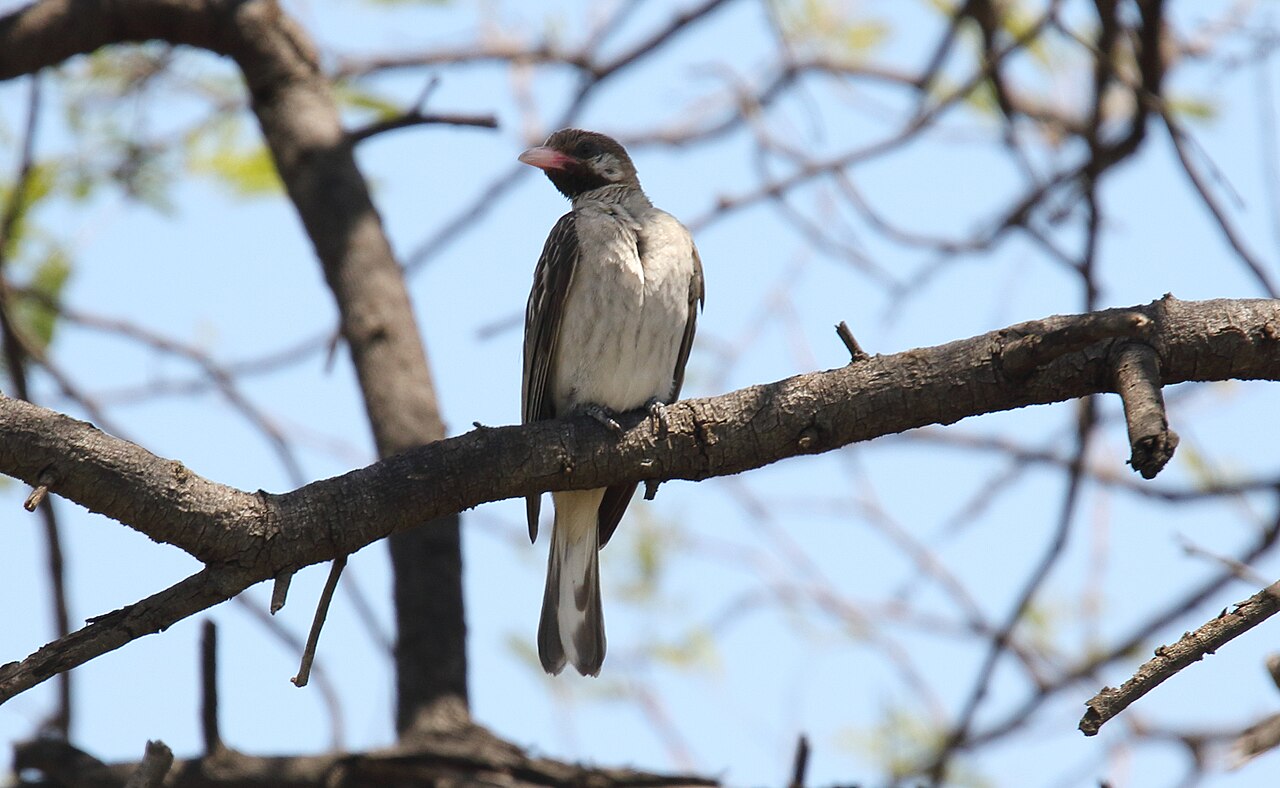
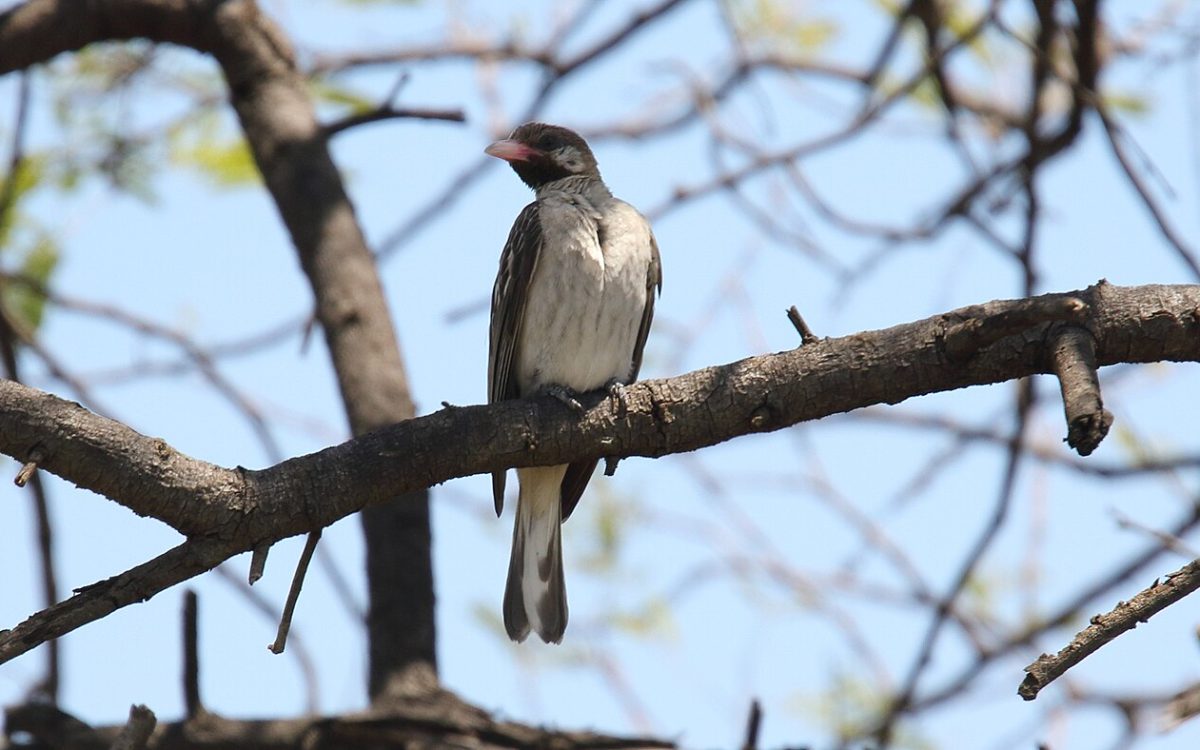
In northern Mozambique, Yao honey-hunters are contributing to this changing understanding of animal communication through a practice that has existed in their communities for generations. They do something few of us would think possible: they speak with a wild bird, using particular calls to coordinate their activities with the greater honeyguide (Indicator indicator), a completely wild, free-living species.
A 2026 study published in People and Nature, titled Cooperative Human Signals to Honeyguides Form Local Dialects, provides new evidence that this communication system is not only cooperative but also shaped by local cultural traditions.
When Humans and Birds Go Hunting Together
The relationship is quite fascinating. When Yao honey-hunters enter the miombo woodlands in search of wild honey, they use particular sounds to attract honeyguides. The birds respond by guiding them through the woodland, moving from one location to another while producing characteristic calls until they reach a bees’ nest.
Once the nest is located, the hunters use smoke and tools to reach the honey, something the birds cannot easily accomplish on their own. After harvesting the honey, they leave behind wax combs, which the honeyguides can eat.
In this relationship, the hunters benefit from the birds’ remarkable ability to locate bees’ nests, while the birds benefit from the human capacity to open them. Research conducted in Mozambique’s Niassa Special Reserve found that honeyguides helped hunters locate approximately three-quarters of the wild honey they harvested.
But there is something even more interesting about this cooperation: the honey-hunters do not all communicate with the birds in the same way.
When Communication Develops Local Dialects
The 2026 study examined calls used by honey-hunters across 13 villages in northern Mozambique. The researchers discovered that these sounds vary from one community to another, with hunters living in the same village tending to use more similar calls than those living farther apart.
Interestingly, hunters who had moved between villages appeared to adopt the calls of their new communities, suggesting that these signals are learned and transmitted through social relationships.
Does that not sound familiar? When people move from one region to another, they sometimes gradually adopt the accents and expressions of their new neighbours. Among these honey-hunters, something comparable appears to happen, except that their communication partner is not another human being but a wild bird.
Earlier research published in Science in 2023 had already demonstrated that honeyguides respond preferentially to familiar local human calls. The 2026 findings extend this understanding by showing that regional differences exist even among communities sharing broadly similar cultural traditions.
This does not mean that honeyguides speak human languages or possess village dialects themselves. Rather, the research demonstrates how human cultural traditions can shape communication with another species.
What Happens When This Shared Language Disappears?
Unfortunately, just as human languages can dwindle when the communities sustaining them are disrupted, this extraordinary system of communication is also vulnerable.
Honey-hunting traditions are declining in some parts of Africa, while changes in livelihoods and access to woodland threaten the conditions under which this cooperation has developed. Protecting the miombo woodland is therefore important not only for biodiversity and local livelihoods, but also for preserving forms of knowledge that scientific research is only beginning to understand.
There is another dimension to this research that I find particularly significant.
For generations, Yao honey-hunters have known how to communicate with honeyguides, transmitting this knowledge through their families and communities. The scientific studies are therefore not discovering this relationship for the first time. They are examining a practice that African communities have maintained long before it became an object of international scientific investigation.
Perhaps this should also challenge how we recognize knowledge itself. How much knowledge remains overlooked because it has not yet been examined through the institutions we ordinarily recognize as scientific? How many relationships between human beings, animals and their environments remain poorly understood because we have paid insufficient attention to the communities that live within them?
Besides, neither the Yao honey-hunters nor the birds need to prove their worth through the honey they produce. Yet their relationship carries knowledge that the wider world is only beginning to understand.
And if human beings have been communicating with wild birds for generations without much of the world paying attention, what other languages are being spoken around us that we have never learned to hear?
References
Spottiswoode, C. N., & Wood, B. M. (2023). Culturally determined interspecies communication between humans and honeyguides. Science, 382(6675), 1155–1158.
van der Wal, J. E. M., et al. (2026). Cooperative human signals to honeyguides form local dialects. People and Nature.