I participated in a webinar organized by the Catholic Theological Association of Nigeria entitled Liturgical Inculturation vs Liturgical Abuses: Defining the boundries. It brought questions about liturgical inculturation in Nigeria into conversation with liturgical abuses, their limits and boundaries. With more than a hundred participants and four knowledgeable speakers, it offered a valuable opportunity to reflect on a subject that continues to provoke debate within our Church.
As I listened, however, I became increasingly concerned about the direction of the conversation. Although inculturation was part of the subject, the discussion leaned more heavily toward abuses. Even when inculturation entered the conversation, we seemed more comfortable explaining what should not be done than exploring what could be done.
I came away wondering how much we understand about the spiritual searching behind the practices of these priests we condemn.
What the rules leave unanswered
One presentation offered a detailed account of the norms and documents through which liturgical abuses can be identified. Such knowledge matters, but I had hoped we would spend more time asking why these practices persist despite the rules and sanctions, and why some attract considerable numbers of the faithful.
An explanation raised during the discussion concerned seminary formation: perhaps some priests had passed through the system without adequately absorbing what they were taught. I find that insufficient. Before concluding that a priest failed to understand his formation, we might ask whether his formation adequately prepared him for the pastoral realities he encountered after ordination.
This does not make disobedience a virtue. It does require us to consider whether some priests are attempting, however imperfectly, to respond to needs we have scarcely taken the time to understand. Correcting their actions should also lead us to examine the circumstances in which those actions emerge.
What possibilities for liturgical inculturation in Nigeria have we explored?
One speaker reminded us that possibilities for inculturation exist within established ecclesial processes. As I understood her intervention, meaningful work can be undertaken through the appropriate authorities and procedures. My question, then, is what advantage we have taken of those possibilities.
If individual priests cannot undertake this work on their own, the responsibility of those authorized to initiate and accompany it becomes even more pressing. What are our bishops, theologians, liturgists, and communities doing together to help Catholic worship take deeper root in the lives of our peoples?
The intervention that most directly engaged this concern insisted on context. The speaker discussed a Nigerian marriage guideline in relation to an American model, suggesting that culturally particular adaptations in the latter had been set aside while general norms were retained.
The example, as presented, left me wondering what we mean when we call a document adapted. Where can we recognize the people whose marriages, families, and communal relationships it is meant to accompany?
Listening to the people who keep searching
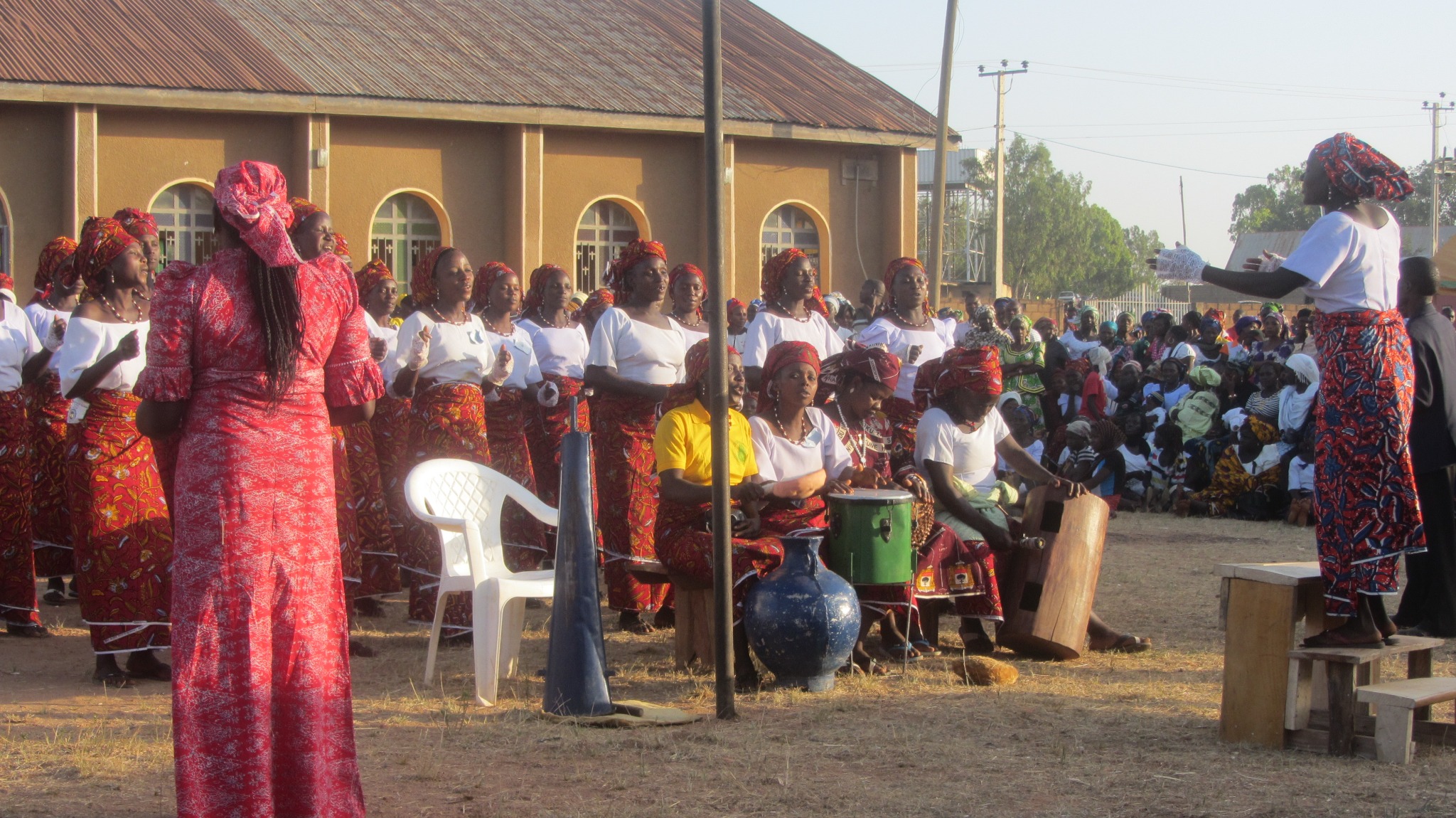
Context is crucial because people do not enter the church without histories. They bring ways of understanding belonging, suffering, healing, responsibility, and the presence of God. Nigeria contains many such worlds, each deserving more attention than an assumption that one cultural expression can represent everyone.
The same attention is necessary when discussing Pentecostal influences. Identifying where a practice comes from does not explain its appeal. What do Catholics believe they find there, and what have our own communities offered in response to that searching?
Large congregations cannot establish that every practice is sound. Nevertheless, the people who gather deserve to be heard. We cannot invoke their vulnerability when condemning a practice and then disregard their experience when asking why they sought it.
Could the absence of sustained Catholic initiatives help explain why some look elsewhere? That possibility deserves serious investigation.
Whose culture becomes the measure of faith?
There is a deeper question about whose cultural experience becomes the measure of everyone else’s faith. When an inherited form becomes so familiar that we no longer recognize its cultural history, African expressions can find themselves permanently required to justify their presence.
Our spiritual traditions also require discernment, but that discernment must involve a willingness to encounter what our peoples know and live. Their experiences should help shape the questions we ask, including our understanding of how faith takes flesh within a community.
Advancing liturgical inculturation in Nigeria will require sustained conversation among bishops, theologians, liturgists, parish communities, women, young people, and cultural knowledge holders. Priests working through these tensions also need spaces where their pastoral questions can be examined seriously.
The webinar provided a valuable occasion to begin asking these questions. I hope we carry them further, with the same energy we devote to identifying abuses. When our people keep searching for ways to bring their spiritual lives into their worship, can we hear in that search a question addressed to the whole Church?