As COP31 fails to confront fossil fuels, women in Senegal’s Saloum Delta continue protecting the mangroves, shellfish and inherited knowledge that sustain their communities.
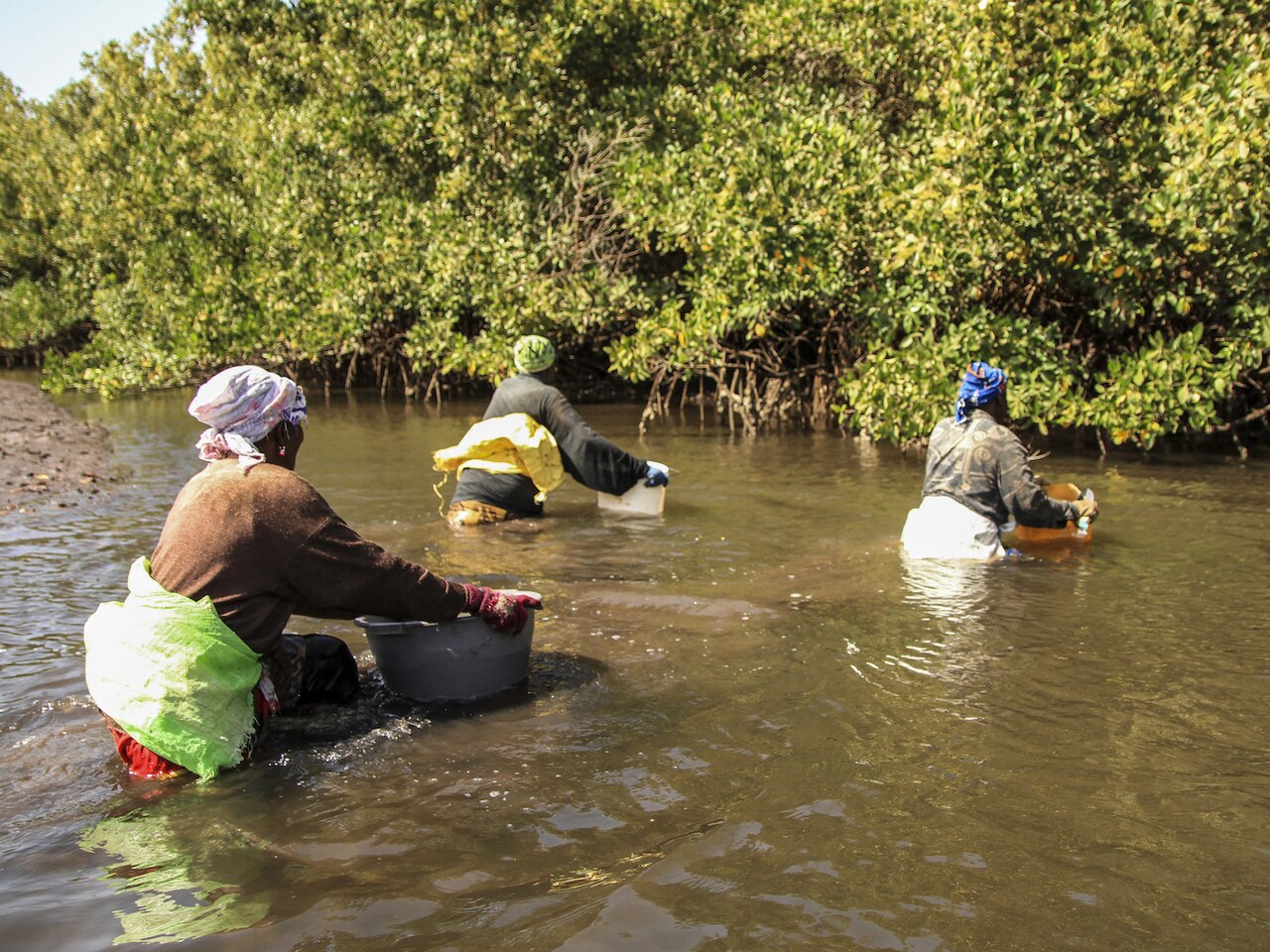
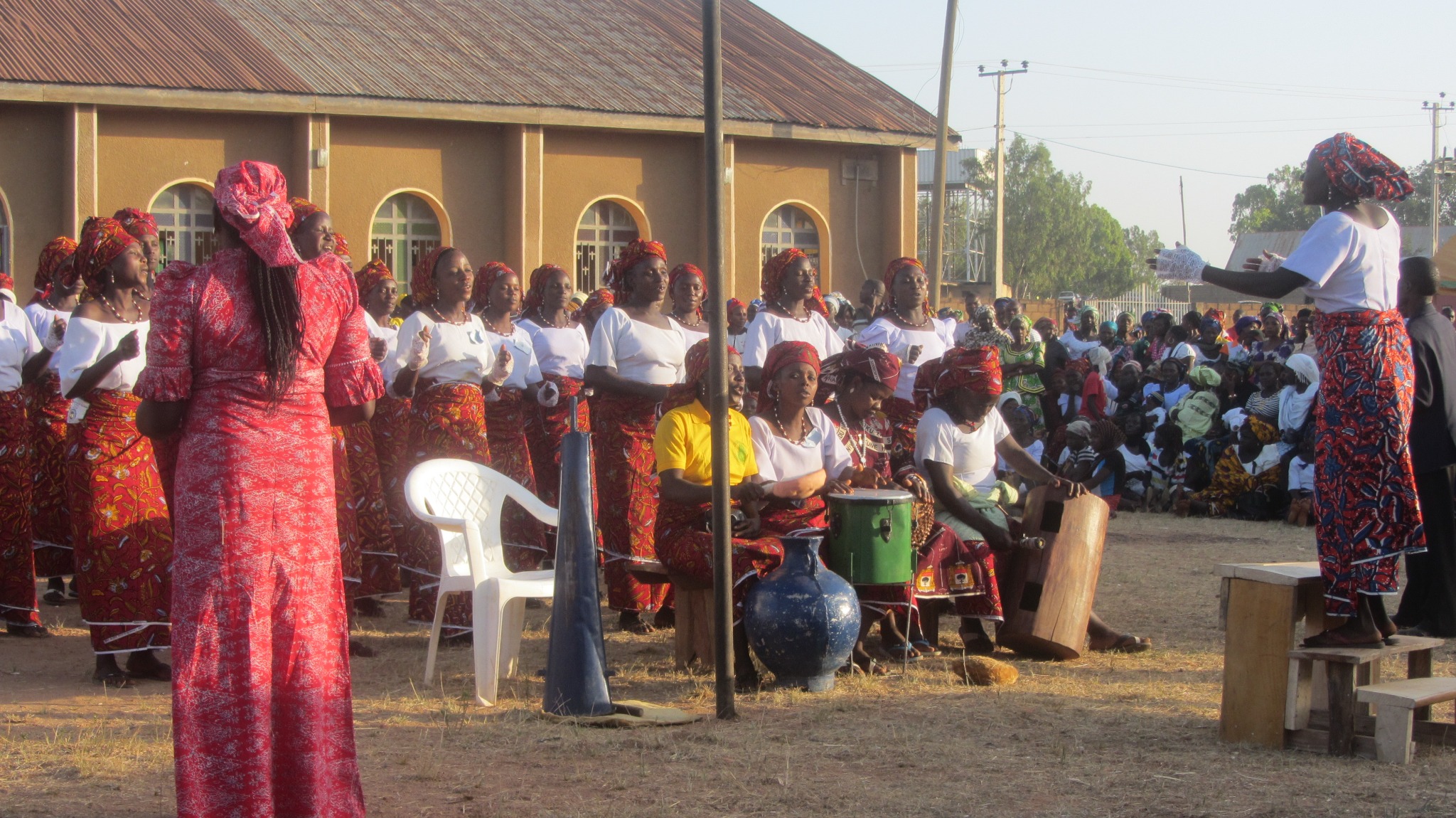
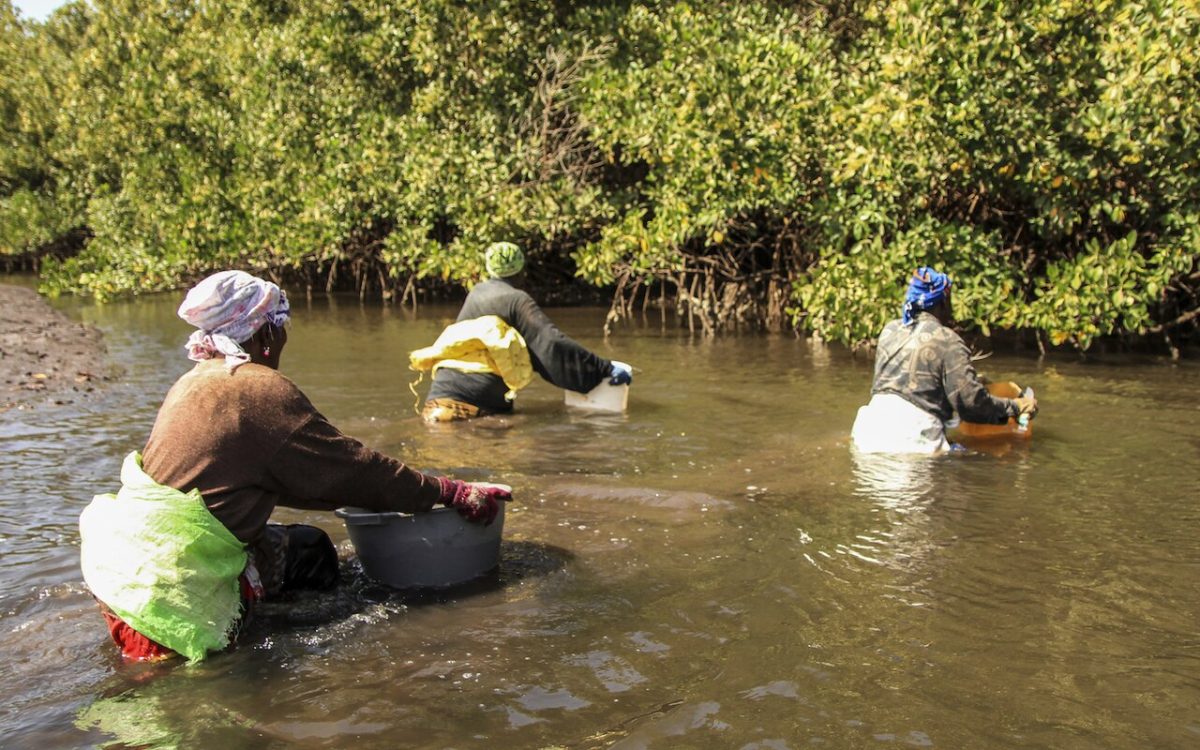
In the Saloum Delta of Senegal, rural women are showing the world what it means to be front-line communities in climate action. They are leading, in their humble ways, a community response to the ecological degradation their region faces. For generations, these women have passed down knowledge of tides, seasons and mangroves from mother to daughter. They gather and process oysters, clams and ark clams, sustaining food, household income and a living cultural memory among Niominka, Serer and Socé communities.
And while these mothers are facing more ecological challenges than they have ever known in the history of their region, COP31 has just ended without a climate pact. In Antalya, Türkiye, decision-makers, policy analysts, climate activists, heads of state and financial lobbyists from around the world gathered for the United Nations Climate Change Conference. Yet, after more than two weeks of negotiations, they could not reach an agreement, principally because of divisions over fossil fuels.
As COP31 came to an end, the proposed final text omitted clear references to fossil fuels, including coal and oil. It also failed to include a clear commitment to phase them out. Several countries rejected the proposed agreement, and the summit ended without adopting the Antalya Pact. This happened while the world was facing some of the worst manifestations of the ecological crisis of our time: floods, heatwaves, forest fires and changing rainfall patterns across continents.
“While COP31 struggled to formulate a policy capable of confronting our collective descent into ecological mayhem, the women of the Saloum Delta kept working.”
The women of the Saloum Delta understand that mangrove loss, pollution, urban growth and overfishing are reducing the shellfish upon which they depend. So, they are not waiting to be rescued. Their associations are reorganizing their sources of livelihood through oyster farming, while village groups establish mangrove nurseries and reforestation plots to ease pressure on wild stocks.
These community initiatives are already producing results. Through the International Labour Organization’s Green Jobs for Women and Youth in the Saloum Delta project, women and young people have received training in oyster and ark clam farming, beekeeping and green entrepreneurship. Cooperative societies have also been established to improve their access to markets and social protection.
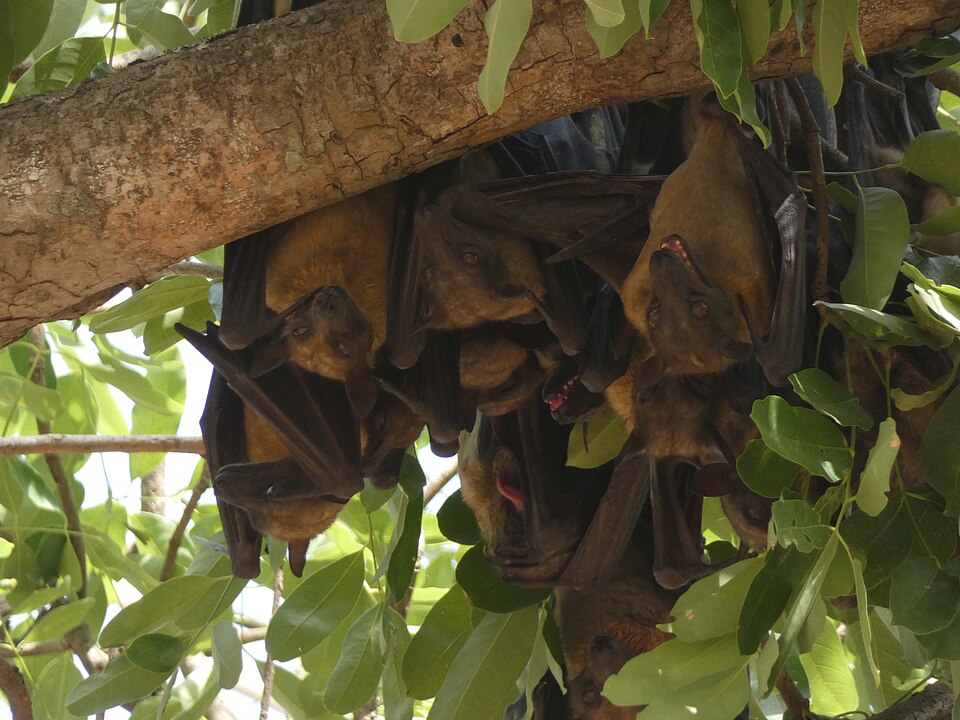
Their response reminds us that much of the work sustaining an ecosystem happens beyond the places where human beings ordinarily direct their attention. As we have seen in the unnoticed ecological work performed by bats while humans sleep, the survival of our shared world depends upon relationships and contributions that we rarely stop to recognize.
These women do not acquire dignity because their labour feeds families or protects an ecosystem. Their dignity is already theirs. Still, when their knowledge is ignored, the common good loses both a source of food and a way of reading land and water.
“These women do not acquire dignity because their labour feeds families or protects an ecosystem. Their dignity is already theirs.”
Their inherited knowledge also raises a question I asked while reflecting on the relationship between Yao honey-hunters and honeyguides in Mozambique: How much knowledge remains overlooked because it has not yet been examined through the institutions we ordinarily recognize as scientific?
The scientific importance of their knowledge does not begin when an international organization validates it. These women have learned to read the tides, shellfish and mangroves through generations of relationship with the Delta. Their knowledge is carried in their work, their language and the relationships passed from mother to daughter.
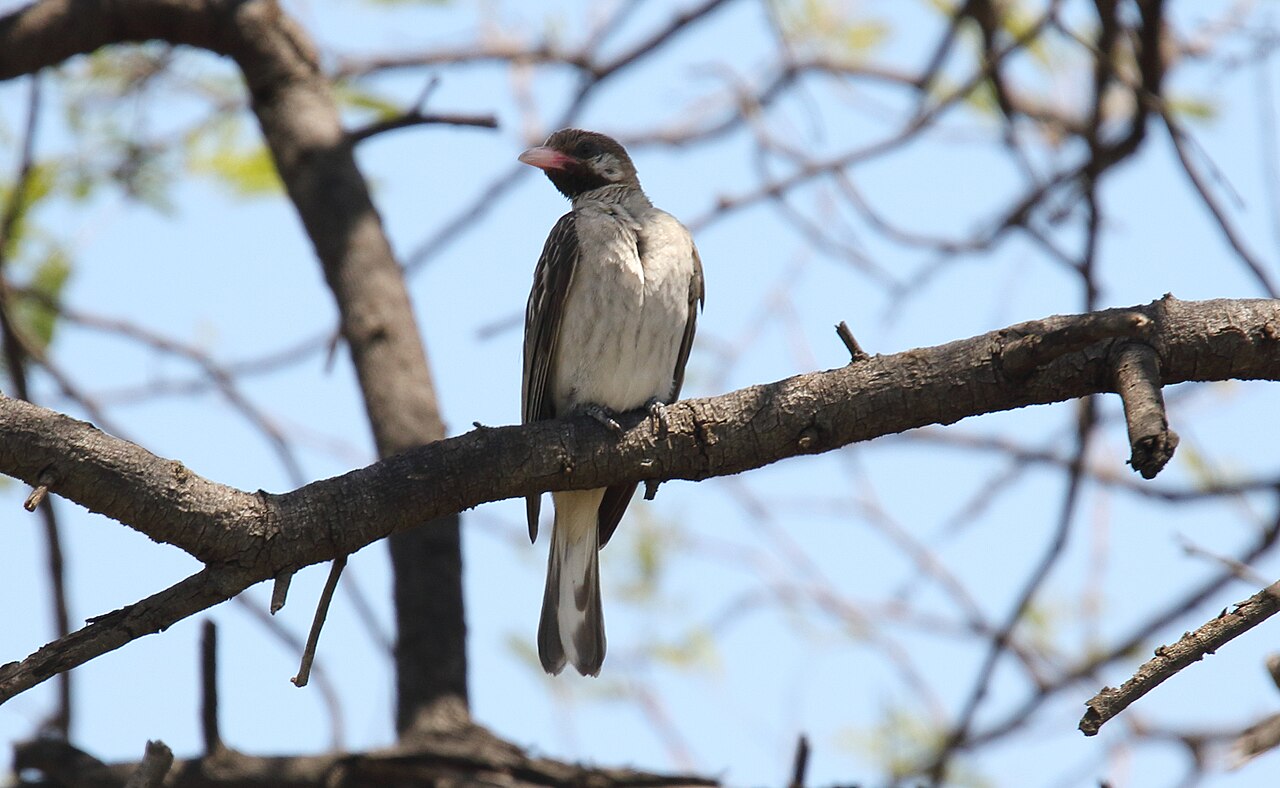
As I also reflected when asking how many of us think of thanking a vulture, dignity does not depend upon the usefulness of a person or another member of our ecosystem. Yet whether we notice and protect their contributions says something about our own humanity.
“When their knowledge is ignored, the common good loses both a source of food and a way of reading land and water.”
The women of the Saloum Delta are still working. Their work does not excuse the failures of international institutions, nor should their resilience become an excuse for leaving them alone to confront a crisis they did little to create. Their work should instead compel governments and international institutions to listen, support community-led conservation and confront the forces driving ecological destruction.
This week, support women-led coastal conservation—or begin by learning who carries ecological knowledge in your own community.
Whose wisdom have we benefited from without naming its keeper?