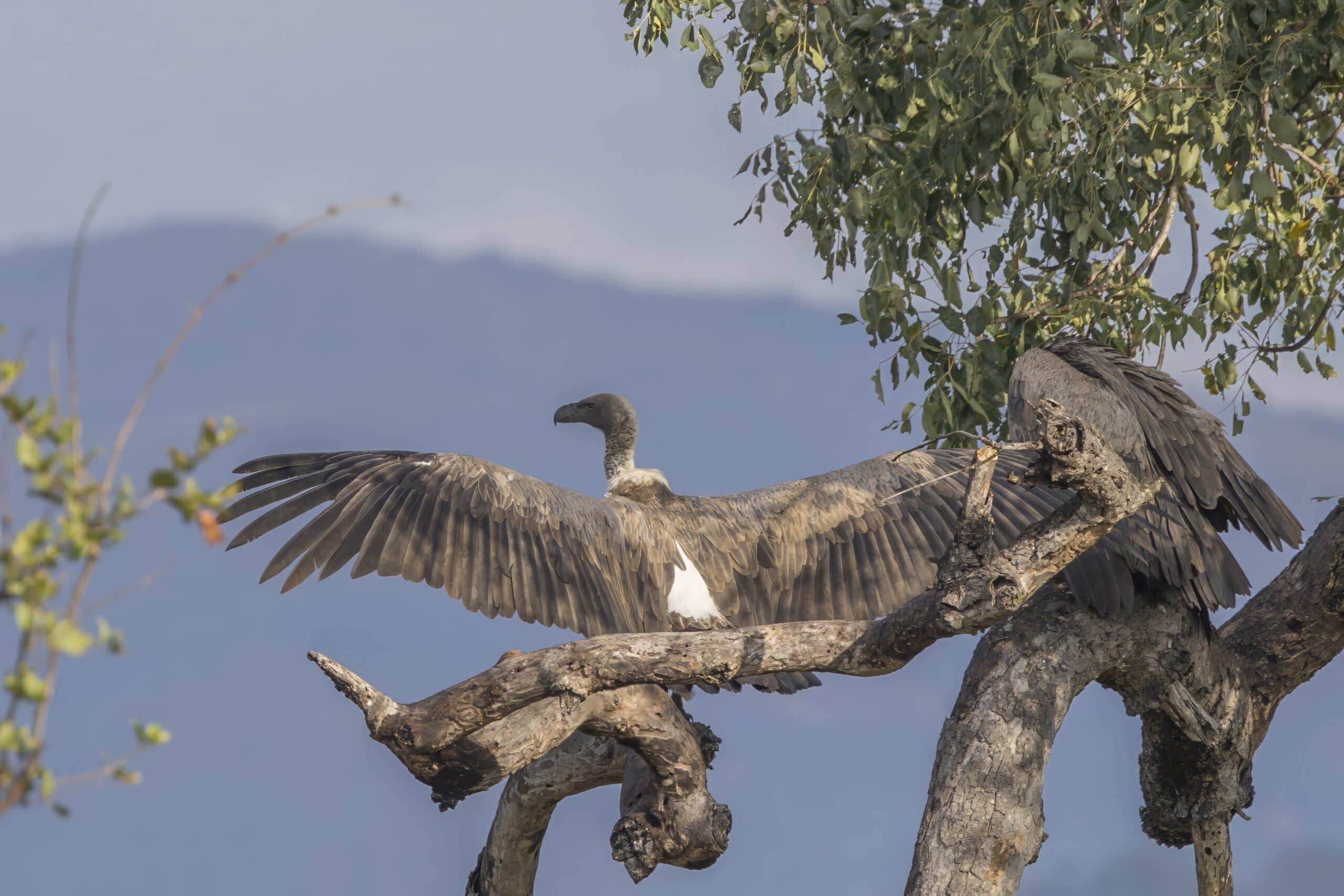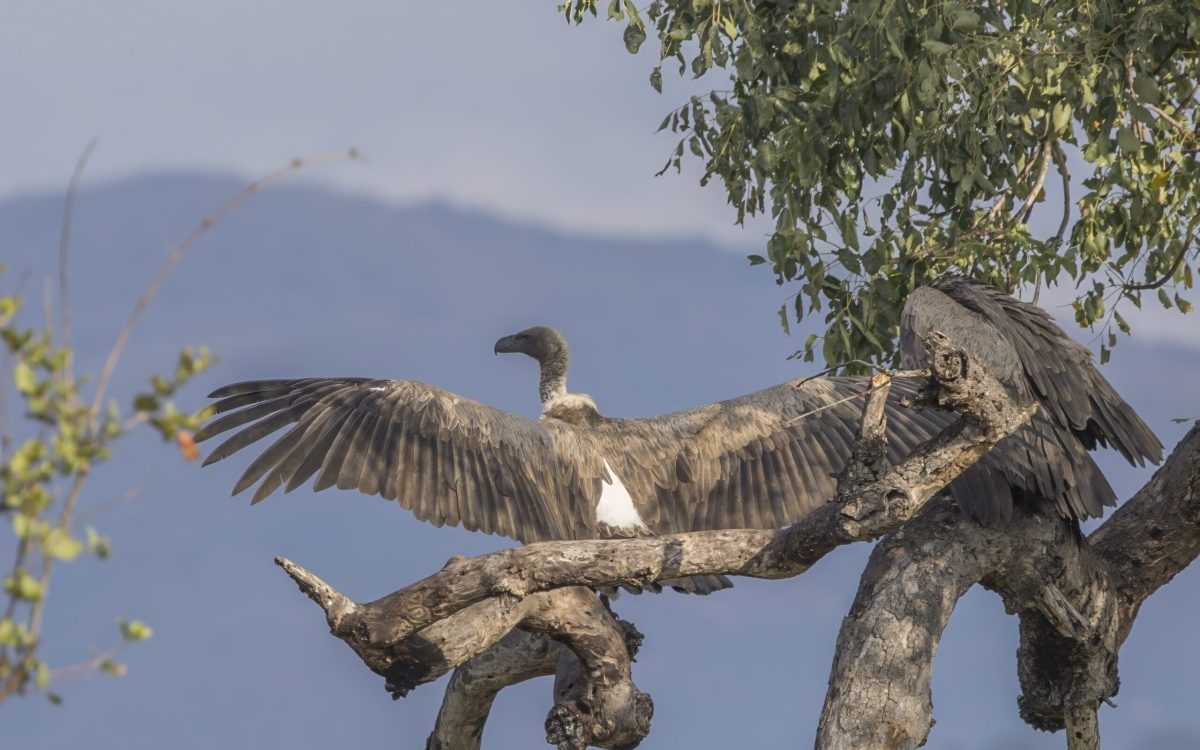
On 6 May 2025, an alert brought rangers to a remote part of South Africa’s Kruger National Park. Around an elephant carcass contaminated with poison, they found vultures dead and others struggling to survive.
The birds had come to feed as they had always done. But this time, what should have nourished them had become a trap. Their place of joy had turned into an abrupt end to the journey.
Who thinks to thank a vulture?
It feeds where many of us would rather turn away, clearing dead animals from the land and helping to keep the environment healthy and clean. That day, rescuers worked to save the birds that were still barely alive. Reading about the incident, I was left with with some troubling questions: What happens when the very place where someone offers their gift becomes unsafe? And what must society—and each of us—do to protect those whose contributions sustain our common life? Or do we even care enough if their roles are not evident to many of us?
I think of the people whose work we scarcely notice: those who repair our roads, the snowplough operators who work through the night, and the cooks and dishwashers who prepare our meals and clean our dishes long before our arrival and after we have left the restaurant.
Their dignity does not depend on how often we remember them or on the work they perform for us. But whether we notice them says something about our own humanity. To recognize their contribution is also to ask what difficulties they face and what obstacles we might help remove.
This week, thank someone you usually pass by. Then ask yourself: What could I do to make their path a little safer?
And what is keeping me from offering my own gift?
The Kruger incident and rescue figures are documented by South African National Parks