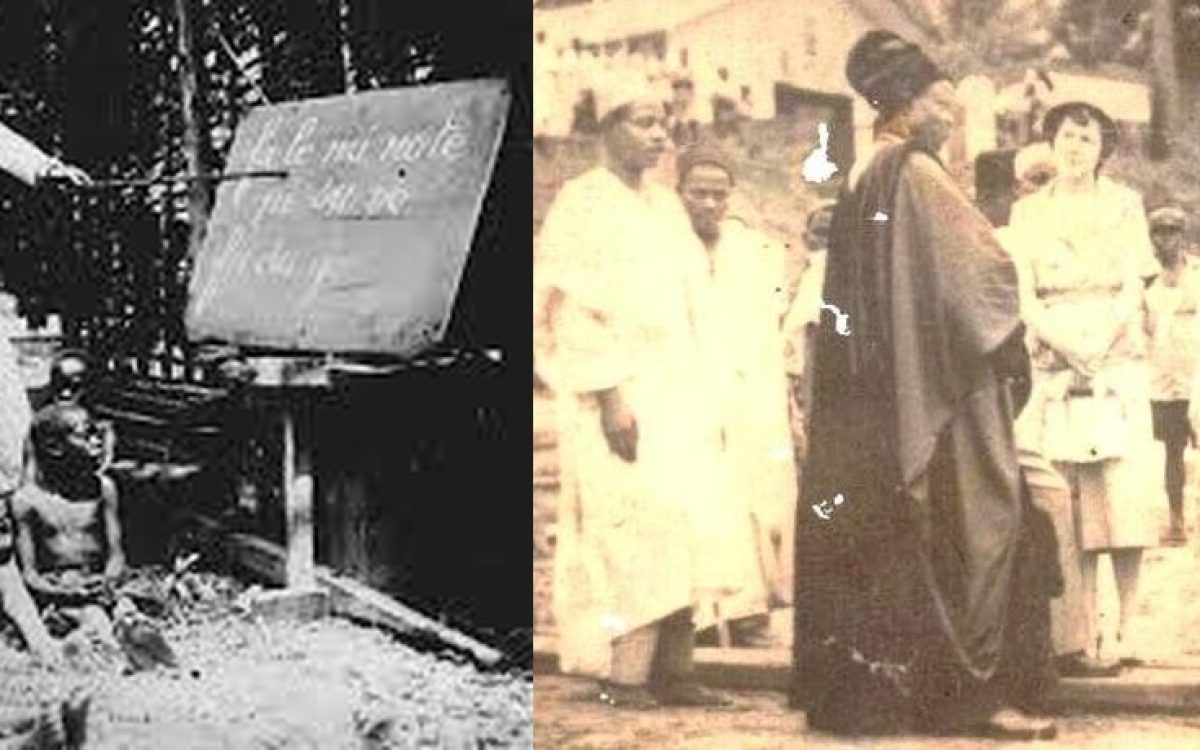
The religious reordering of Igbo land did not happen accidentally. It occurred through encounters with two distinct external forces, particularly in the northern Igbo border regions, stretching from Nsukka down to Eke. These forces did not simply introduce new beliefs; they reshaped the very structure of sacred authority.
The first was the Attah of Igala. The second was the Christian missionary enterprise.
The Attah of Igala: Adaptation Without Rupture
Of the two, the Attah of Igala demonstrated a more strategic sensitivity to the Igbo religious imagination. He understood that many Igbo deities were feminine and that sacred authority was not exclusively masculinized. Rather than introduce entirely alien forms of worship, he replaced Igbo feminine deities with Igala feminine equivalents. The shift was subtle. It did not violently rupture the symbolic universe of the people; it redirected it.
This explains why many communities today do not realize that some of the deities they venerate have Igala origins. The transformation was absorbed into the fabric of local life. My own village bears the mark of that historical maneuvering.
The Attah did not stop at theological substitution. He consolidated authority by appointing male priests to oversee the newly introduced cults and by reinforcing masculine masquerade institutions to regulate social order. The prominence of Igala-derived masquerades such as Omabe, Odoh, Akatakpa, and Abere among the Nsukka Igbo reflects this restructuring.
His deeper genius lay in ensuring that his emissaries became thoroughly Igbonized. They embedded themselves culturally, even as their descendants retained hereditary priestly rights over those deities up to the present day.
The Christian Missionaries: Imposition and Pragmatic Reception
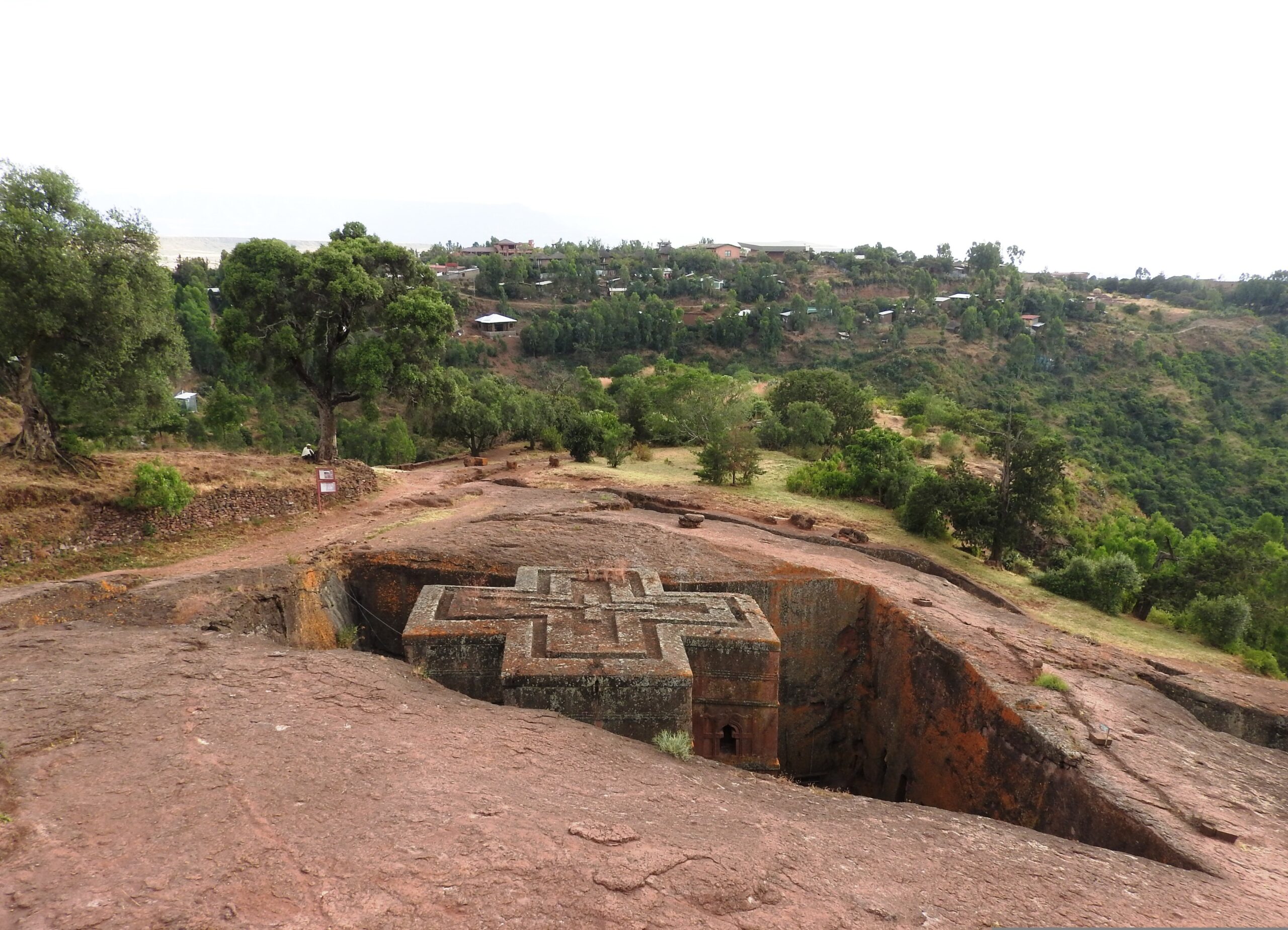
The Christian missionaries arrived later, entering through Onitsha, expanding across the riverine regions, and only afterward reaching northern Igbo territories. Unlike the Attah, they possessed little organic knowledge of Igbo cosmology. They introduced masculine images of God and a theological narrative that initially appeared foreign and implausible.
The story of a God who has a Son and who permits that Son to die on a cross did not easily resonate within Igbo categories of thought. Many found it strange. Some found it laughable.
Yet the Igbo are pragmatic. The missionaries did not come empty-handed. They brought education, literacy, and access to a new language of power. At first, slaves and domestic servants were sent to mission schools. Within a few years, those same individuals became interpreters and intermediaries—the indispensable link between missionaries and local communities.
The lesson was quickly understood: these newcomers possessed tools that could shape the future. Families began sending their own children to school. In addition to teaching literacy, missionaries sometimes offered villages a degree of protection from other European forces engaged in slave raiding and resource extraction. Igbo pragmatism once again asserted itself. The missionaries were received, and their masculine theology, however unfamiliar, was gradually accommodated.
The Masculinization of the Sacred
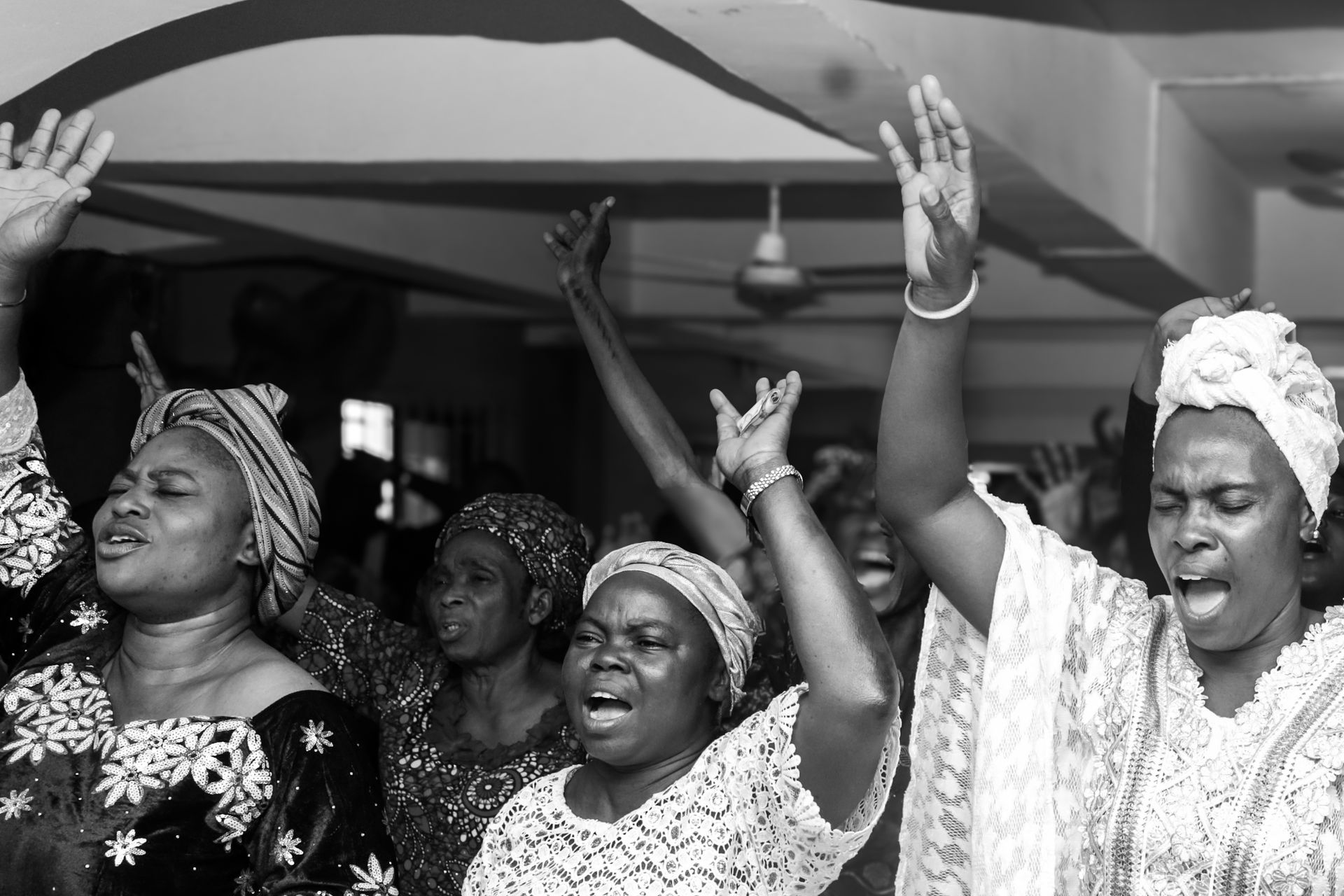
Despite their differences in method, both the Attah and the Christian missionaries contributed to a significant transformation of Igbo religious life. Each, in his own way, restructured sacred authority around male priesthood and masculine representation of divinity.
This marked a profound shift. Precolonial Igbo spirituality contained strong feminine dimensions of sacred power. Women, mothers, and female deities held central religious and social authority. The enthronement of masculinity as the primary measure of sacred legitimacy destabilized that balance.
The Enduring Question of Igbo Pragmatism
The deeper issue, however, is not simply historical. Igbo pragmatism does not disappear. It adapts. It evaluates. It survives.
Whether the Igbo will remain Christian indefinitely depends less on inherited allegiance and more on practical resonance. Unlike the Attah system, which embedded itself within Igbo cosmology, Christianity has often remained structurally aloof from core Igbo categories.
It has not developed a serious theology of land in a culture where land is sacred, serving as memory, ancestry, and identity. It remains institutionally hierarchical in a society historically organized around age grades and distributed authority. It continues to marginalize women within ecclesial structures in a culture where mothers are sacred, and women exercise undeniable moral and social power.
As long as these tensions remain unresolved, Igbo pragmatism will continue to pose its quiet but decisive question: does this system truly serve our life, our land, and our future?